
What is NAD+?
NAD+ (nicotinamide adenine dinucleotide, oxidized form) is a dinucleotide coenzyme, not a peptide. It has a molecular formula of C21H27N7O14P2 with a molar mass of 663.4 g/mol. This naturally occurring molecule consists of 2 nucleotide units—adenosine and nicotinamide mononucleotide—linked by a pyrophosphate bond. Over 50,000 peer-reviewed biochemical publications document NAD+ as a central redox cofactor participating in hundreds of enzymatic reactions and signaling pathways governing cellular metabolism, energy production, and gene regulation.
2Nucleotide units in NAD+ structure
Molecular structure and chemical composition
NAD+ is a dinucleotide cofactor composed of two distinct nucleotide units: adenosine (adenine base plus ribose sugar) and nicotinamide mononucleotide. These units are covalently joined through a pyrophosphate linkage connecting the 5' positions of their respective ribose sugars. The complete molecule has a molecular formula of C21H27N7O14P2 and a molar mass of 663.4 Da. This structure makes NAD+ substantially larger than small-molecule metabolites but smaller than proteins or peptide molecules[1].
The nicotinamide ring within NAD+ is the redox-active component responsible for electron transfer catalysis. This aromatic pyridinium nitrogen undergoes reversible reduction, accepting electrons and forming NADH (the reduced form), then donating those electrons in reverse reactions. This reversible oxidation-reduction chemistry at the nicotinamide moiety is the mechanistic basis for NAD+ function as an electron carrier in cellular respiration and other biochemical pathways[2].
The adenosine moiety of NAD+ contributes to enzyme binding specificity and structural stability. The two ribose sugars, two phosphate groups, adenine base, and nicotinamide ring are arranged in a specific three-dimensional conformation that determines how NAD+-dependent enzymes recognize and bind the cofactor. This structural arrangement is critical for catalytic turnover and substrate oxidation-reduction[1].
Structural work on the enzyme that completes NAD+ biosynthesis shows how the molecule sits in a binding site. The crystal structure of an archaeal nicotinamide mononucleotide adenylyltransferase bound to NAD+ identified the active-site arginine residues involved in phosphate binding, and NADP+ was found bound in a different conformation, which indicates plasticity of the active site[10].
Redox function in cellular metabolism
NAD+ serves as the primary electron carrier in cellular respiration and energy metabolism. In the oxidation of metabolic substrates, electrons are transferred to NAD+, converting it to NADH while the substrate is oxidized. This electron-capture mechanism is measured spectrophotometrically: NADH absorbs ultraviolet light at 340 nanometers, providing a measurable signature of electron-transfer reactions. The NAD+/NADH redox couple participates in glycolysis, the citric acid cycle (TCA cycle), and oxidative phosphorylation, fundamental processes through which cells extract chemical energy from nutrients[2].
The reversibility of the NAD+/NADH conversion is essential for cellular function. In energy-producing pathways, NAD+ accepts electrons (becoming NADH), and in energy-consuming reactions, NADH donates electrons (becoming NAD+). The ratio of NAD+ to NADH—termed the redox potential—serves as a cellular indicator of energy status and the availability of reducing equivalents. Changes in this ratio signal the cell's energy state and trigger metabolic adjustments[1].
Non-redox functions as a signaling substrate
Beyond redox catalysis, NAD+ serves as a substrate for enzymatic reactions that regulate cellular processes. Sirtuins are NAD+-dependent deacetylases that catalyze removal of acetyl groups from histone and non-histone proteins, controlling which genes are accessible for transcription. Poly(ADP-ribose) polymerases (PARPs) catalyze transfer of ADP-ribose groups from NAD+ to proteins involved in DNA repair, modifying protein function in response to genotoxic stress. These non-redox reactions consume NAD+ in the process of generating regulatory modifications[3][1].
CD38 and related enzymes catalyze hydrolysis of NAD+ to produce small molecules with signaling functions, including cyclic ADP-ribose (cADPR) and NAADP+. These NAD+-derived metabolites serve as intracellular second messengers regulating calcium signaling and other cellular responses. The production of these signaling molecules competes with other NAD+-consuming pathways, creating metabolic cross-talk between energy metabolism and signaling processes[3][5].
The dual role of NAD+—functioning simultaneously as an energy currency and a regulatory substrate—makes it a critical metabolic hub. The duality creates integration between cellular energy status (reflected in NAD+/NADH ratio) and gene-regulatory signaling pathways, allowing energy availability to directly influence transcriptional responses[5].
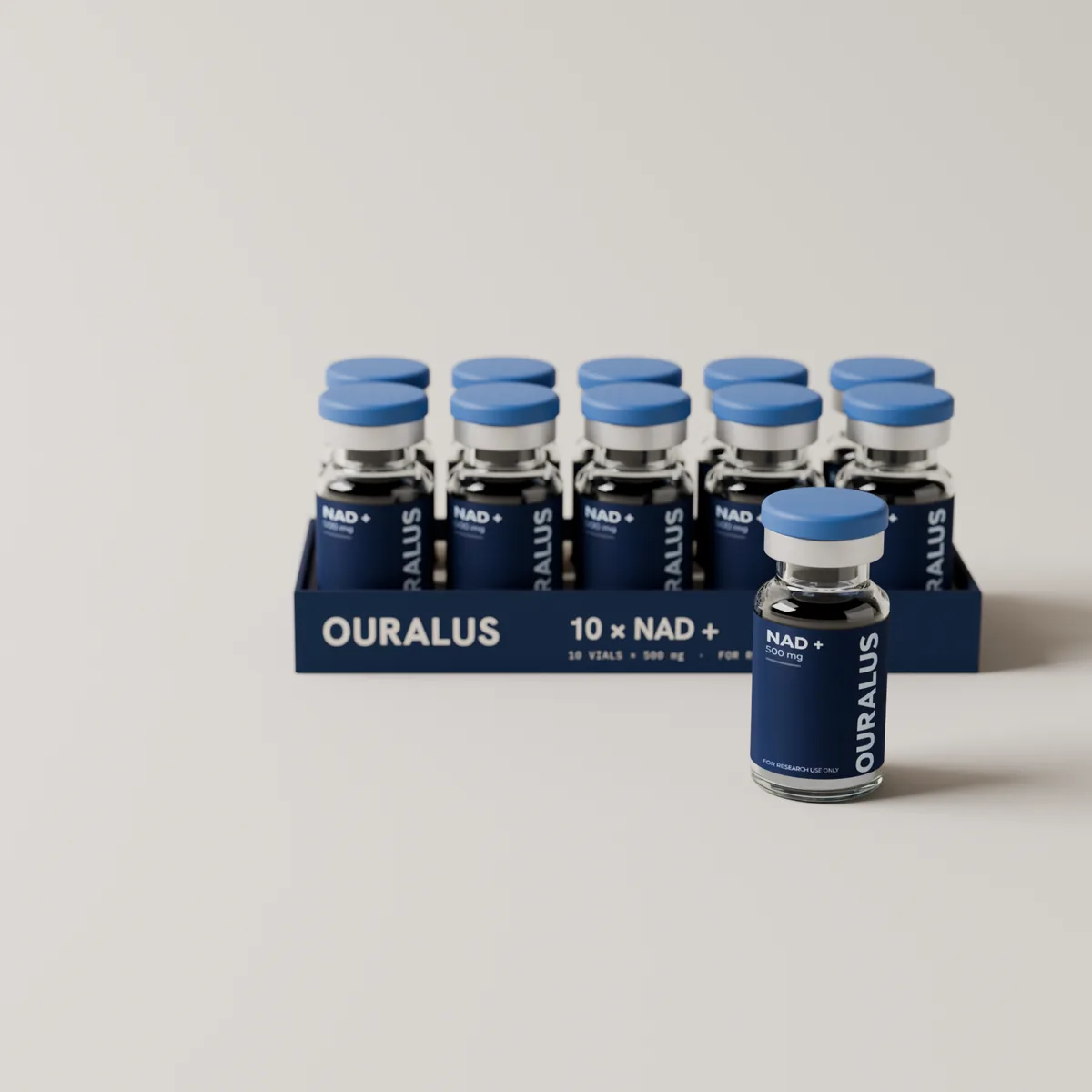
NAD+ biosynthesis and metabolic pathways
NAD+ biosynthesis occurs via multiple pathways that converge at a common precursor. The de novo pathway begins with the amino acid tryptophan, proceeding through a series of enzymatic transformations to generate NAD+. The salvage pathway recovers NAD+ from breakdown products: nicotinamide (a byproduct of NAD+-consuming enzyme reactions) is recycled back to NAD+ via nicotinamide phosphoribosyltransferase (NAMPT), the rate-limiting enzyme of this pathway. Dietary sources provide nicotinamide, nicotinic acid, and nicotinamide riboside as NAD+ precursors[4][5].
The salvage pathway accounts for the majority of cellular NAD+ regeneration, making NAMPT activity a critical regulator of NAD+ availability. Because NAD+-consuming enzymes (sirtuins, PARPs, CD38) generate nicotinamide, which is recycled back to NAD+, cells maintain dynamic equilibrium between NAD+ consumption and resynthesis. However, when consumption exceeds regeneration capacity, NAD+ levels decline, impairing both energy metabolism and regulatory signaling[4].
Compartmentalization of NAD+ pools within cells creates additional metabolic complexity. Different cellular compartments—the nucleus, mitochondria, and cytoplasm—maintain distinct NAD+ and NADH pools that are not in equilibrium with each other. This compartmentalization permits selective regulation of metabolic and signaling processes in specific cellular locations, adding another layer of control beyond simple NAD+ concentration[6].
NAD+ decline and functional implications
NAD+ levels decline progressively with advancing age in multiple tissues across various model organisms, including various model organisms. This age-related decline is accompanied by decreased expression of biosynthetic enzymes (including NAMPT) and increased activity of NAD+-consuming enzymes. The mechanistic basis for this decline remains incompletely characterized, but the consequences are well documented: lower NAD+ availability is associated with changes in energy metabolism, reduced capacity for DNA repair, and altered regulatory signaling[1][7].
Strategies to increase NAD+ availability include dietary supplementation with NAD+ precursors such as nicotinamide riboside (NR) and nicotinamide mononucleotide (NMN), inhibition of NAD+-consuming enzymes, and activation of NAD+ biosynthetic pathways. Research in cultured cell and model organism systems shows that NAD+ level changes produce measurable metabolic responses in cultured cell systems and model organisms. However, the translation of these findings to integrated biological contexts remains limited, with few large-scale research studies completed to date[8].
The potential significance of NAD+ restoration is based on its central role in multiple biological processes critical for cellular homeostasis and systemic function. Because NAD+ participates in energy production, DNA stability, gene regulation, and stress responses, abnormally low NAD+ affects multiple systems simultaneously. Strategies that restore NAD+ levels may therefore address multiple pathological processes through a single intervention, though optimal conditions and longer-term questions remain incompletely defined in research studies examining cultured cell systems and model organisms[8][9].
| Study | Result | Ref |
|---|---|---|
| Molecular structure | Dinucleotide cofactor (C21H27N7O14P2); molar mass 663.4 Da; two nucleotide units linked by pyrophosphate | [1] |
| Redox function in energy metabolism | Electron carrier in glycolysis, TCA cycle, and oxidative phosphorylation; NAD+/NADH ratio indicates cellular energy status | [2] |
| NAD+-dependent enzyme substrates | Sirtuins, PARPs, and CD38 use NAD+ as substrate for regulatory modifications; competition between redox and non-redox NAD+ usage | [3] |
| NAD+ biosynthesis pathways | De novo pathway from tryptophan and salvage pathway from dietary precursors; NAMPT is rate-limiting enzyme in salvage pathway | [4] |
| Subcellular NAD+ compartmentalization | Distinct NAD+ pools in nucleus, mitochondria, and cytoplasm with selective transport and regulatory control between compartments | [6] |
Frequently asked questions
What is the chemical structure of NAD+?
NAD+ (nicotinamide adenine dinucleotide) is a dinucleotide consisting of two nucleotide units: adenosine and nicotinamide mononucleotide, linked by a pyrophosphate bond. The molecular formula is C21H27N7O14P2 with a molar mass of 663.4 Da. The nicotinamide ring is the redox-active center where electrons are transferred. Unlike peptides, which are chains of amino acids, NAD+ is a complex organic molecule composed of adenine, nicotinamide, ribose sugars, and phosphate groups.
What is the NAD+/NADH redox couple?
NAD+ and NADH form a reversible redox couple. NAD+ accepts electrons (being reduced to NADH) during substrate oxidation, and NADH donates electrons (being oxidized back to NAD+) in energy-consuming reactions. The ratio of NAD+ to NADH—the redox potential—reflects the cell's energy status. High NAD+/NADH ratios indicate oxidizing conditions and high energy demand; low ratios indicate reducing conditions and ample energy availability. This ratio serves as a cellular indicator of metabolic state.
How does NAD+ function beyond energy metabolism?
NAD+ serves as a substrate for regulatory enzymes that do not involve electron transfer. Sirtuins use NAD+ energy to remove acetyl groups from proteins, controlling gene expression. Poly(ADP-ribose) polymerases use NAD+ to add ADP-ribose modifications in response to DNA damage. CD38 enzymes convert NAD+ into signaling molecules (cADPR, NAADP+) that regulate calcium signaling. These non-redox functions consume NAD+ molecules, creating competition with energy metabolism for available NAD+.
How is NAD+ synthesized and regenerated?
NAD+ is synthesized via a de novo pathway starting from the amino acid tryptophan. More commonly, cells regenerate NAD+ via the salvage pathway, recycling nicotinamide (a byproduct of NAD+-consuming reactions) back to NAD+ through the enzyme NAMPT. Dietary precursors—nicotinamide, nicotinic acid, and nicotinamide riboside—also contribute to NAD+ biosynthesis. The salvage pathway accounts for the majority of NAD+ regeneration and is therefore a critical regulator of NAD+ availability.
What happens when NAD+ levels decline?
NAD+ levels decrease with age, and NAD+ depletion is associated with changes in energy production and regulatory signaling. Lower NAD+ reduces the capacity for DNA repair, alters sirtuin-mediated gene regulation, and limits ATP synthesis. The molecular mechanisms underlying age-related NAD+ decline remain incompletely characterized, but they involve decreased expression of biosynthetic enzymes and increased activity of NAD+-consuming enzymes. Restoring NAD+ levels through supplementation or enzyme modulation is being investigated as a potential intervention approach.
References
- NAD+ metabolism and its roles in cellular processes during ageing. Nature reviews. Molecular cell biology. 2021. PMID 33353981
- NAD(H) and NADP(H) Redox Couples and Cellular Energy Metabolism. Antioxidants & redox signaling. 2018. PMID 28648096
- NAD+ and sirtuins in aging and disease. Trends in cell biology. 2014. PMID 24786309
- Physiological and pathophysiological roles of NAMPT and NAD metabolism. Nature reviews. Endocrinology. 2015. PMID 26215259
- NAD(+) Metabolism and the Control of Energy Homeostasis: A Balancing Act between Mitochondria and the Nucleus. Cell metabolism. 2015. PMID 26118927
- Cellular and Mitochondrial NAD Homeostasis in Health and Disease. Cells. 2023. PMID 37174729
- Age-related NAD+ decline. Experimental gerontology. 2020. PMID 32097708
- NAD+ Boosting Strategies. Sub-cellular biochemistry. 2024. PMID 39693020
- Emerging strategies, applications and challenges of targeting NAD+ in the clinic. Nature aging. 2025. PMID 40926126
- Nicotinamide mononucleotide adenylyltransferase displays alternate binding modes for nicotinamide nucleotides. Acta crystallographica. Section D, Biological crystallography. 2015. PMID 26457427
RUO For laboratory research use only. Not for human or veterinary use. This page summarises published studies and is not medical advice.